
Achieve Superior Comfort and Style with Window Tinting Cleveland TN Services
Understanding Window Tinting Cleveland TN
What is Window Tinting?
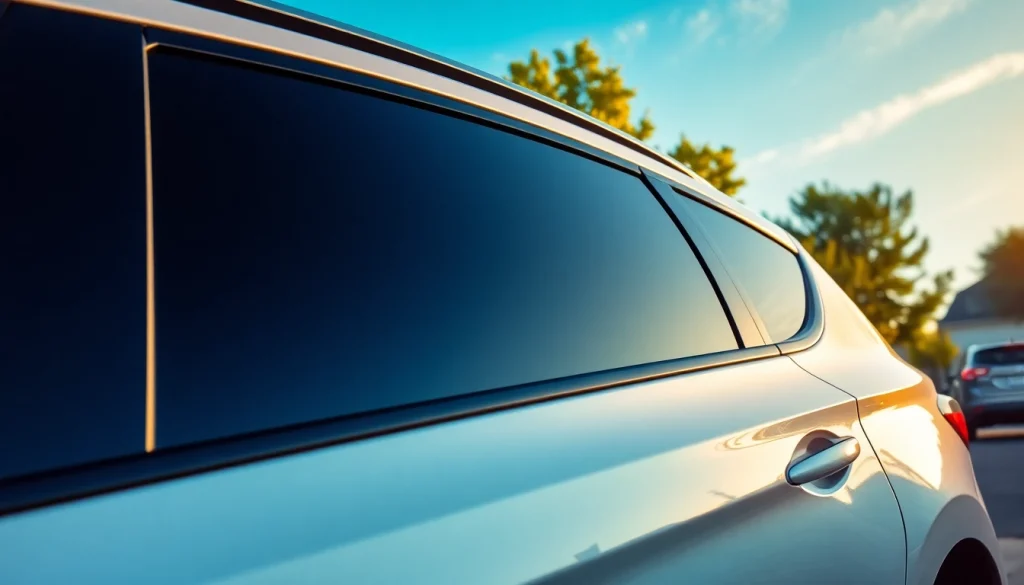
Window tinting is the process of applying a thin film to the glass of vehicles, buildings, or other structures to reduce the amount of visible and infrared light that passes through. This film can be made from various materials, including dyed polyester, metalized, and ceramic films, each offering different levels of visibility and heat rejection. By enhancing privacy and reducing glare, window tinting adds both aesthetic appeal and functional value to your property or vehicle. If you’re looking for professional services, consider exploring window tinting Cleveland TN options.
Benefits of Window Tinting Cleveland TN
Window tinting offers numerous benefits, particularly in regions like Cleveland TN, where seasonal changes can be quite pronounced. Here are some key advantages:
- Heat Reduction: Tinted windows can significantly lower the temperature inside your vehicle or home, making it more comfortable, especially during hot summer months.
- UV Protection: Quality window films can block up to 99% of harmful ultraviolet rays, protecting skin from damage and preserving interior furnishings.
- Enhanced Privacy: Tinted windows add a level of privacy, making it harder for outsiders to see into your vehicle or home.
- Glare Reduction: By mitigating glare from the sun, tinted windows improve visibility, reducing driver fatigue and eye strain.
- Energy Savings: With reduced reliance on air conditioning, window tinting can lead to lower energy bills year-round.
Types of Window Tint Films
Choosing the right type of window tint film is crucial to maximizing the advantages of window tinting. Here are some common types:
- Dyed Window Films: Best for privacy and aesthetic purposes, dyed films do not offer much in terms of heat rejection or UV protection.
- Metalized Window Films: These films reflect heat and UV rays, enhancing durability and glare reduction but may interfere with cellular and GPS signals.
- Ceramic Window Films: Known for their superior performance, ceramic films provide excellent visibility, heat rejection, and UV protection without signal interference.
- Hybrid Films: As the name suggests, these films combine the benefits of dyed and metalized films and are ideal for those seeking a balance of aesthetics and performance.
Choosing the Right Window Tint
Factors to Consider When Selecting Tint
When selecting the right window tint for your vehicle or property, consider the following factors:
- Color and Shade: Lighter tints allow more visible light to pass through, while darker films enhance privacy and heat rejection. Consider the aesthetic you prefer.
- Reflectivity: Some films have higher reflectivity which can enhance privacy but may be subject to legal regulations. Evaluate how much reflectiveness suits your needs.
- Performance Needs: Determine how much UV protection and heat rejection you require based on your local climate and your specific needs.
- Warranty: A good warranty indicates the manufacturer’s confidence in their product. Check for warranty details before purchasing.
Legal Regulations in Cleveland TN
Understanding local laws regarding window tinting is essential, as different states have varying regulations. In Cleveland TN, window tinting laws dictate the legality of specific shades and the percentage of light transmission allowed. For vehicles, front windshields must allow over 70% light transmission, while other windows may have darker tints. It’s vital to consult local regulations and possibly discuss with installation professionals to ensure compliance.
Professional Installation vs. DIY
Choosing between professional installation and attempting a DIY project is an important decision. Professional installers bring expertise, ensuring proper fittings and minimal errors. They typically offer warranties for their work, which can be beneficial if issues arise later. Conversely, DIY installation can save on costs but often comes with challenges such as misalignment or air bubbles. For best results, professional installation is usually recommended.
The Installation Process
Preparing Your Vehicle for Tinting
Proper preparation is crucial for a successful window tinting project. Here’s how to prepare your vehicle:
- Clean the Windows: Ensure that the windows are thoroughly cleaned to remove any dirt, dust, or residual products. A non-ammonia cleaner is recommended.
- Park in a Suitable Location: Ensure the vehicle is parked in a shaded area to prevent direct sunlight from interfering with the installation.
- Gather Necessary Tools: If you are doing a DIY project, gather tools like a squeegee, utility knife, measuring tape, and heat gun.
Step-by-Step Installation Overview
Here’s a simplified step-by-step guide for window tint installation:
- Measure and Cut: Measure the windows and cut the window film to size, allowing for slight overhang.
- Wet the Glass: Spray the window with a soapy water solution to allow for easy positioning of the tint.
- Apply the Film: Carefully place the film on the wet surface of the glass, ensuring alignment.
- Squeegee Out Air Bubbles: Use a squeegee to push out any air and excess water trapped between the film and glass for a smooth finish.
- Trim Excess Film: Carefully trim any excess film that extends beyond the edges of the windows.
- Allow to Cure: Let the tint cure for a few days, keeping the windows rolled up to avoid disturbing the film.
Post-Installation Care Tips
Maintaining your newly tinted windows is critical to ensure longevity. Here are some care tips:
- Avoid Cleaning for Seven Days: Allow the film to set and cure, avoiding window cleaning during this time.
- Use Non-Abrasive Materials: When cleaning your tinted windows, use soft cloths and avoid anything abrasive that can scratch or damage the film.
- Regular Inspections: Routinely check for any peeling or bubbling and consult a professional if any issues arise to protect your investment.
Cost Factors for Window Tinting Cleveland TN
Average Prices for Different Tint Types
The cost of window tinting can vary significantly based on several factors, including the type and quality of film. Typically, tinted windows can range from $200 to $800 for vehicles, depending on the number of windows and film type chosen. Ceramic films generally command higher prices due to their superior qualities.
Factors Influencing Cost
Several factors can influence the overall cost of window tinting:
- Your Location: Regional variations can affect pricing based on demand and local competition.
- Type of Vehicle: Larger vehicles like SUVs or vans naturally incur higher costs due to more glass area needing tinting.
- Film Quality and Brand: As mentioned earlier, the type of film and the brand reputation can significantly influence the price.
Long-Term Savings with Window Tinting
While the upfront cost of window tinting may seem high, it offers potential long-term savings. Reduced energy costs, with less reliance on air conditioning, can lead to lower electricity bills. Additionally, protection against UV damage means longer-lasting interiors and reduced fading costs over time. By investing in quality window tinting, homeowners and vehicle owners can enjoy both immediate benefits and long-term savings.
Common FAQs About Window Tinting Cleveland TN
How Long Does Window Tint Last?
The lifespan of window tint varies but can last anywhere from five to ten years, depending on the quality of the film and how well it’s maintained.
Is Window Tinting Legal in Cleveland TN?
Yes, but it must comply with local laws regarding visible light transmission. Always check current regulations before installation.
Can I Remove Window Tint Myself?
Yes, but it can be challenging. Proper techniques should be followed to avoid damaging the glass. Consider consulting a professional for removal.
Will Tinted Windows Void My Car Warranty?
Generally, window tinting does not void a car warranty, but it is always best to check your warranty details or talk to your dealership.
How Do I Maintain My Window Tint?
After a week of curing, use a soft cloth and mild cleaning solution. Avoid abrasive materials and ensure regular inspections for wear and tear.