
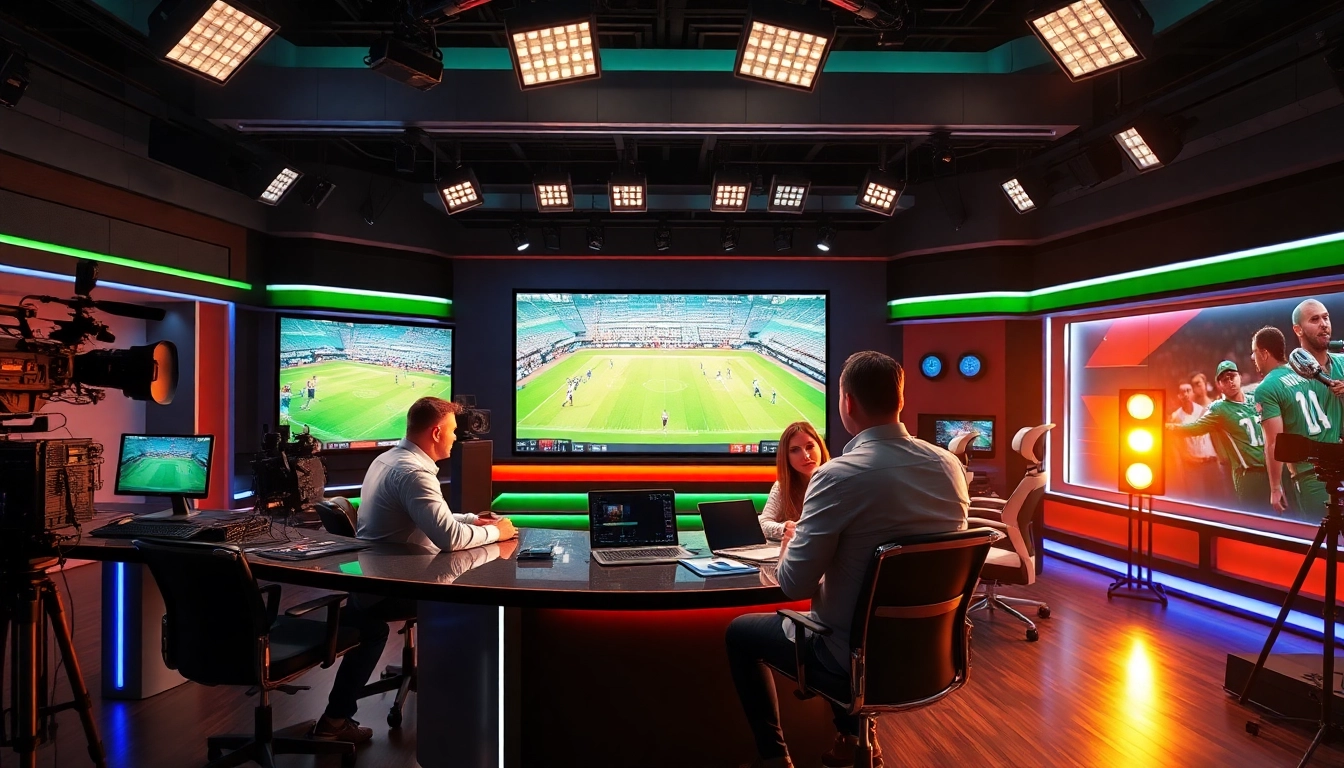
Understanding Sports Broadcasting
What is Sports Broadcasting?
Sports Broadcasting refers to the distribution of sports content across various media platforms, including television, radio, and online streaming services. This encompasses live telecasts of games, pre-game commentary, post-game analysis, and sports news coverage. With the rise of digital platforms, the definition has expanded, now including various formats such as podcasts and mobile apps. Sports Broadcasting plays a critical role in bringing fans closer to their favorite sports, teams, and athletes by delivering content that informs, engages, and entertains. A comprehensive understanding of this industry is vital for anyone looking to become actively involved in Sports Broadcasting.
The Evolution of Sports Broadcasting
The history of Sports Broadcasting can be traced back to the early 20th century when radio emerged as a popular medium. The first major sporting event broadcasted on radio was a boxing match in 1921. Following this, television changed the landscape of Sports Broadcasting in the 1950s, allowing millions of homes to watch sports live. Over decades, broadcasts evolved with the introduction of color television, instant replay technology, and eventually, high-definition broadcasts.
With the rise of the internet, Sports Broadcasting has entered a new era. Streaming services have made it possible for audiences to watch games on-demand, often for free or less than traditional cable packages. Social media has also transformed how sports are consumed, with platforms like Twitter and Instagram providing real-time updates, highlights, and fan interaction. This evolution reflects changing consumer preferences and technological advancements that continue to shape the industry.
Key Players in Sports Broadcasting
The Sports Broadcasting landscape is diverse, featuring various stakeholders, such as:
- Broadcast Networks: Major networks like ESPN and NBC hold rights to broadcast a range of sports events, including the Olympics and NFL games.
- Streaming Platforms: Companies like Amazon Prime Video and Hulu are now significant players in live sports streaming, offering exclusive contracts for specific leagues.
- Content Creators: Independent journalists and influencers use platforms like YouTube and Twitch to cover sports in unique and engaging ways.
- Advertisers: Brands partner with broadcasters to reach audiences during live sports, making advertising a crucial revenue source.
Technology and Tools in Sports Broadcasting
Broadcasting Equipment: Essentials
The backbone of Sports Broadcasting lies in its equipment. Essential tools include:
- Cameras: High-definition and 4K cameras provide clear and immersive viewing experiences.
- Microphones: Quality audio equipment ensures clarity in commentary and sound effects, critical for live sports events.
- Switchers: These devices allow operators to seamlessly transition between multiple camera feeds during a live performance.
- Satellite Systems: Used for transmitting signals over long distances, ensuring live events are broadcasted without interruptions.
Having reliable equipment is vital for ensuring high-quality broadcasts that meet audience expectations.
Software Solutions for Effective Broadcasting
Software plays a crucial role in modern Sports Broadcasting. Key software components include:
- Broadcast Management Systems: Tools like ENCO and Ross Video help streamline operations from scheduling to advertisement placements.
- Graphics Software: Programs like ChyronHego are essential for creating real-time graphics that enhance viewer understanding and engagement.
- Video Editing Software: Post-production software such as Adobe Premiere Pro allows broadcasters to create highlight reels and analyze performances quickly.
- Analytics Tools: Monitoring viewer metrics helps broadcasters understand audience engagement and optimize future broadcasts.
Emerging Technologies in Sports Broadcasting
As technology advances, so does Sports Broadcasting. Recent innovations include:
- Augmented Reality (AR): Enhancing live broadcasts with overlays, graphics, and stats that provide viewers with more information.
- Virtual Reality (VR): Delivering immersive experiences that allow fans to feel like they are part of the game from their homes.
- 5G Technology: Allows for faster streaming and improved quality, even in dense, high-capacity settings like stadiums.
- Artificial Intelligence: AI can analyze game plays, retrieve statistics, and even generate highlights automatically.
Creating Engaging Content in Sports Broadcasting
Storytelling Techniques
Effective Sports Broadcasting revolves around storytelling. Broadcasters must weave narratives that draw viewers in. This can include:
- Player Profiles: Showcasing personal stories or backgrounds of athletes to humanize them and foster viewer connection.
- Team History: Discussing iconic moments in a team’s history to build anticipation and engage longstanding fans.
- Game Context: Providing insights into the stakes of a specific game to highlight its importance to teams and players.
Enhancing Viewer Engagement
Keeping viewers engaged is essential for successful broadcasts. Techniques include:
- Interactive Polls: Engaging the audience by allowing them to vote on various questions throughout the game.
- Real-Time Stats: Presenting live analytics that keep viewers informed and excited about the unfolding game events.
- Incorporating Social Media: Displaying fan reactions and comments during broadcasts creates a two-way dialogue, making viewers feel valued.
Leveraging Social Media for Broadcasters
Social media platforms are powerful tools for broadcasters to connect with audiences. Strategies include:
- Live Updates: Posting real-time game updates, scores, and key moments across platforms like Twitter and Instagram.
- Behind-the-Scenes Content: Sharing exclusive content about player training and daily lives to foster connection with fans.
- Fan Engagement Campaigns: Organizing contests and giveaways to engage audiences and encourage shares.
Best Practices for Sports Broadcasting
Understanding Audience Demographics
Knowing your audience shapes your Sports Broadcasting strategy. Broadcasters should analyze:
- Age Groups: Different age demographics prefer distinct commentary styles and media platforms.
- Location: Geographic analytics can inform about local sports interest and preferences.
- Viewing Habits: Understanding peak viewing times and preferred devices can guide scheduling and content delivery.
Quality Control in Live Broadcasting
Quality is non-negotiable in Sports Broadcasting. Best practices for maintaining quality include:
- Pre-Broadcast Checks: Conduct thorough equipment checks before going live to prevent technical difficulties.
- Training Commentators: Regular training sessions help broadcasters deliver polished and professional commentary.
- Feedback Loops: Gathering viewer feedback can help in continuously improving broadcast quality.
Crisis Management and Communication
Unexpected situations can occur during broadcasts. Broadcasters should be equipped for crisis management by:
- Having Contingency Plans: Prepare for technical failures, unexpected event cancellations, or emergencies.
- Transparent Communication: Keep viewers informed promptly about any issues, ensuring they feel included and respected.
- Post-Crisis Analysis: Evaluate what went wrong and how it can be prevented in the future post-event.
Future Trends in Sports Broadcasting
Sports Streaming and Viewership Trends
The viewership landscape has dramatically shifted towards streaming, reshaping the future of Sports Broadcasting. Key trends include:
- Subscription-Based Models: Fans are gravitating towards on-demand content rather than traditional cable subscriptions, leading to a rise in dedicated sports streaming services.
- Multi-Platform Viewing: Audiences often switch between devices, including mobile and smart TVs, highlighting the need for compatible streaming options.
- Increased Local Content: Broadcasters are focusing on localized content to cater to specific audience interests, further driving engagement.
Data Analytics in Sports Broadcasting
Data is increasingly becoming a crucial asset in Sports Broadcasting. To leverage data effectively:
- Performance Metrics: Use analytics to provide insights into player performance, team stats, and viewer engagement.
- Targeted Advertisements: Employ data insights to optimize ad placements for better ROI and viewer relevance.
- A/B Testing: Experiment with different formats, commentary styles, and graphics to see what resonates most with viewers.
The Role of AI in Future Broadcasting
Artificial Intelligence will play a transformative role in Sports Broadcasting, with capabilities such as:
- Automated Highlights: AI can analyze game footage and generate highlights quickly, saving time for broadcasters.
- Audience Personalization: Tailoring content and recommendations based on viewer preferences and historical data enhances engagement.
- Predictive Analytics: AI algorithms can forecast outcomes based on previous data, engaging fans with insights and analyses.
FAQs about Sports Broadcasting
What is Sports Broadcasting?
Sports Broadcasting refers to the distribution of sports content through various media channels like TV, radio, and online platforms, including live games and commentary.
How has technology changed Sports Broadcasting?
Technology has transformed Sports Broadcasting by introducing streaming services, advanced analytics, and real-time graphics, enhancing viewer experiences significantly.
What are best practices for delivering quality broadcasts?
Best practices include thorough pre-broadcast checks, ongoing training for staff, and engaging in feedback loops to continuously improve quality.
How does audience demographics influence broadcasting?
Understanding audience demographics helps broadcasters tailor content to specific age groups, geographic interests, and preferred viewing habits, enhancing engagement.
Where is the future of Sports Broadcasting headed?
The future will focus on streaming services, AI integration, and personalized content, as viewership shifts continue towards on-demand platforms.